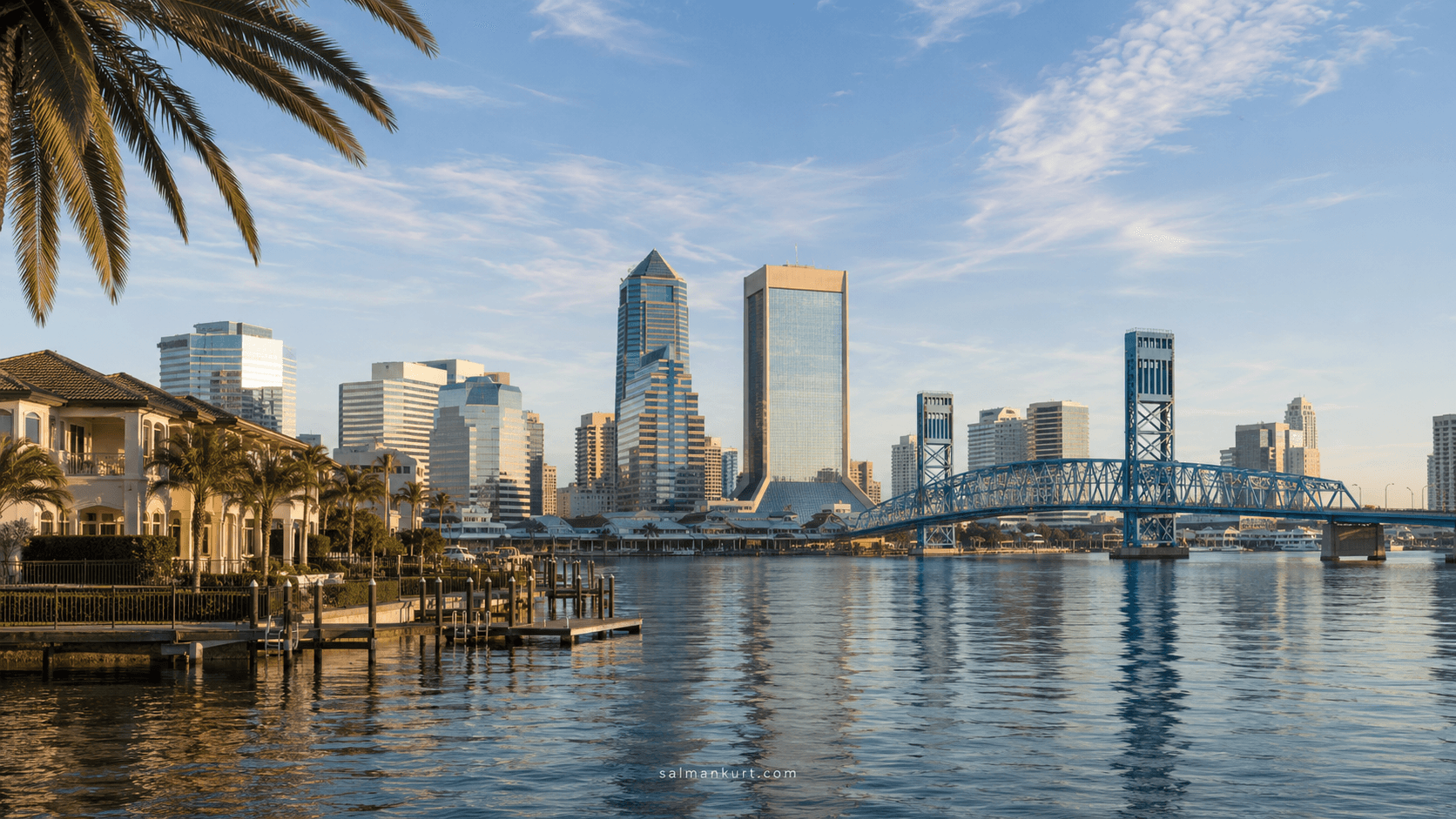
Jacksonville Home Prices 2026: Current Market and Investment Guide
Jacksonville Home Prices 2026: Current Market and Investment Guide
Jacksonville has become one of the Florida markets attracting the attention of real estate investors because of its broad housing options, growing employment market and relatively affordable prices compared with South Florida cities such as Miami.
The city offers properties for different budgets, including detached homes, residences within planned communities, downtown apartments and luxury homes near the coast. However, Jacksonville home prices can vary significantly depending on the neighborhood, age and size of the property, distance from the coast and community features.
What Is the Average Home Price in Jacksonville?
According to June 2026 data, the typical home value in Jacksonville is approximately $287,871. This represents a 1.8% decrease compared with the previous year.
As of May 2026, the median price of completed home sales was approximately $278,300, while the median listing price in June was $294,833. (zillow.com)
These figures indicate that there may be room for negotiation between listing prices and final sale prices. In May 2026, approximately 62.2% of homes sold below their asking price, while only 16.4% sold above the listed price. (zillow.com)
This suggests that Jacksonville may now offer buyers more property choices and stronger negotiating power than during previous periods of intense market competition.
Are Jacksonville Home Prices Falling?
The 1.8% annual decline in the typical Jacksonville home value indicates that the market may be entering a more balanced period after several years of rapid price growth.
However, this does not mean that every property in the city is losing value at the same rate. (zillow.com)
New, well-maintained and correctly priced homes may still sell quickly. Properties listed above market value, requiring significant renovation or carrying high insurance costs may remain on the market longer.
As of June 2026, Jacksonville had approximately 5,092 homes listed for sale and 1,247 new listings. Properties took an average of approximately 37 days to move into pending status. (zillow.com)
Higher inventory may allow investors to compare more properties and negotiate more favorable terms with sellers.
How Much Is Rent in Jacksonville?
According to June 2026 data, the average monthly rent in Jacksonville is approximately $1,600. Rental prices increased by approximately 1% year over year.
During the same period, the average monthly rent across the United States was approximately $1,965. (zillow.com)
Jacksonville’s lower average rent compared with the national average may help keep the city relatively affordable for residents. However, investors should not evaluate a property based only on its monthly rental income.
The following expenses should also be included when calculating the actual rental return:
- Property taxes
- Homeowners and storm insurance
- HOA or community fees
- Maintenance and repair expenses
- Professional property-management fees
- Vacancy periods
- Tenant turnover and renovation costs
For example, a property generating $1,600 per month may produce a lower-than-expected net return if insurance and association costs are high.
What Determines Jacksonville Home Prices?
Jacksonville covers a large geographic area, and property prices can vary significantly between neighborhoods.
The primary factors influencing home prices include:
Location
Properties located close to downtown, beaches, employment centers, schools and major transportation routes generally command higher prices.
Proximity to the Coast
Real estate around Jacksonville Beach, Atlantic Beach and Neptune Beach may be priced above the city average because of coastal access and limited housing supply.
Property Type
Detached homes, condominiums, townhomes and residences within planned communities have different purchase prices and ongoing cost structures.
A condominium may have a lower purchase price but higher monthly HOA fees, which can increase the total cost of ownership.
Property Age and Condition
Newly built or recently renovated properties may sell at higher prices. Older homes may require significant spending on roofs, air-conditioning systems, electrical systems and plumbing.
Flood and Storm Risk
When purchasing property in Florida, buyers should confirm whether the home is located in a designated flood zone and obtain realistic insurance estimates.
Insurance expenses for properties near the coast, rivers or waterways can have a significant effect on the net return.
Why Is Jacksonville Attracting Investors?
Jacksonville’s population reached approximately 1,017,689 in July 2025. The city’s population increased by 7.2% between 2020 and 2025.
Population growth is one of the factors that may support long-term demand for both owner-occupied and rental housing. (census.gov)
Jacksonville’s economy is not dependent on a single industry. The region supports employment in finance, technology, healthcare, logistics, transportation and manufacturing.
According to JAXUSA, the Jacksonville region has a workforce of more than 885,000 people. (jaxusa.org)
Financial services also play an important role in the local economy. More than 53,300 people work in the sector, and major companies including FIS, Deutsche Bank, Florida Blue and Intercontinental Exchange operate in the region. (jaxusa.org)
A diversified employment market can help create long-term rental demand from tenants across different income levels.
Does It Make Sense to Buy a Home in Jacksonville?
Jacksonville may be worth considering for investors seeking more accessible property prices in Florida.
Housing inventory and sales data from 2026 suggest that buyers may have more negotiating power than in previous years. However, an investment decision should not be based only on the citywide average price.
Before buying, investors should answer the following questions:
- What is the property’s realistic market value?
- How much do comparable homes rent for?
- What will the annual property tax be?
- How much will insurance cost?
- Does the home require renovation or repairs?
- Are there HOA fees or special assessments?
- What is the expected net rental return after all expenses?
Florida does not impose a state-level personal income tax on individuals. However, rental income, federal taxes, property taxes and obligations affecting foreign investors must still be evaluated separately. (floridarevenue.com)
Can Foreign Buyers Purchase Property in Jacksonville?
People who are not United States citizens can purchase real estate in Jacksonville.
The transaction generally requires a passport, documentation relating to the source of funds or financing and the information needed for the closing process.
Foreign buyers may purchase with cash or, when eligible, consider mortgage programs designed for international investors.
However, buyers should obtain professional advice regarding ownership structure, taxation of rental income and potential taxes when the property is eventually sold.
Jacksonville Home Prices 2026: General Market Outlook
Jacksonville’s housing market in 2026 presents a more balanced environment, with greater inventory and stronger negotiating opportunities for buyers.
A typical home value of approximately $287,871 and a median sale price of around $278,300 make Jacksonville an alternative to Florida’s more expensive coastal cities.
At the same time, the limited annual decline in prices means that investors should carefully evaluate both the neighborhood and the individual property. (zillow.com)
A property purchased in the right neighborhood, at the right price and with realistic expense calculations may be suitable for long-term rentals, portfolio diversification or future appreciation.
Explore more Florida real estate guides at salmankurt.com.
This article is provided for general informational purposes and does not constitute investment, legal, mortgage or tax advice. Market data may change over time.
Salman Kurt
Executive insights, global real estate intelligence, and luxury tourism perspectives.